ICOM IC-A25N Handheld NAV/COM Transceiver w/ Bluetooth – Open Box: Professional Aviation Backup Radio
ICOM IC-A25N Handheld NAV/COM Transceiver w/ Bluetooth – Open Box: Professional Aviation Backup Radio
Blog Article
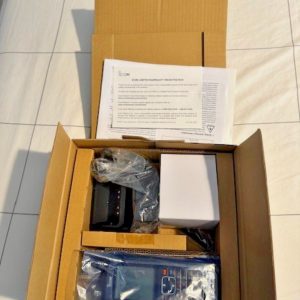
:::writingvariant="document" id="58314" ICOM IC-A25N Handheld NAV/COM Transceiver w/ Bluetooth – Open Box: Advanced Pilot Communication The ICOM IC-A25N Handheld NAV/COM Transceiver w/ Bluetooth – Open Box provides pilots and aviation professionals with a convenient combination of communication, navigation support, portable operation, and wireless connectivity. For budget-conscious pilots, an open-box radio may provide a practical balance between modern functionality, reliable construction, and competitive purchase value. The ICOM IC-A25N Handheld NAV is suitable for users who want portable access to communication and navigation-related functions during flight preparation, cockpit operations, instruction, emergency planning, or airport ground activities. As an ICOM IC-A25N Aviation Radio, the transceiver may be used during normal flight operations, communication training, airport monitoring, ground coordination, and emergency preparation. An ICOM IC-A25N Handheld Radio offers mobility that panel-mounted equipment cannot provide, allowing users to communicate from the aircraft, ramp, hangar, or operations area. The Handheld NAV/COM Aviation Transceiver format offers useful flexibility to pilots who want one compact tool for several operational requirements. Whether pilots need a Handheld more info Aviation Radio, Aviation NAV/COM Radio, Pilot Handheld Radio, or portable Aircraft Communication Radio, the complete package should be inspected and tested. For many operators, the radio can combine the roles of Portable Aviation Transceiver, Aviation Communication Device, Handheld Aircraft Radio, and emergency backup equipment.
Why Pilots Choose the ICOM IC-A25N Handheld Radio
A multifunction handheld radio can provide useful redundancy and flexibility for pilots who regularly operate in different aircraft or environments. The IC-A25N may appeal to users who prioritize strong construction, straightforward operation, and access to aviation functions away from the instrument panel. A handheld radio can provide valuable support, but performance may depend on antenna position, aircraft structure, terrain, distance, interference, battery condition, and operating environment. Training with the device can reduce delays and confusion when rapid communication becomes necessary.ICOM IC-A25N Handheld NAV Applications
The portable design allows pilots to become familiar with radio functions outside the aircraft before using the device in a busy operational environment. Ground personnel can use an appropriate handheld radio for monitoring or coordination where local procedures and regulations allow. Pilots should verify information using suitable aviation references and avoid relying on one portable device for every navigation decision. A complete preflight review can confirm that the radio is charged, configured, accessible, and ready to support the planned operation.Choosing an ICOM IC-A25N Aviation Radio
A portable aviation radio provides flexibility to owners, instructors, technicians, and operators who require communication across multiple aviation settings. Pilots attending fly-ins or traveling through unfamiliar airports may appreciate having portable access to communication frequencies. A complete written inventory helps purchasers compare the open-box price with the cost of replacing missing accessories separately. The best purchase decision combines condition evidence, package completeness, seller credibility, secure payment, and documented delivery terms.ICOM IC-A25N Handheld Radio Portability
The ICOM IC-A25N Handheld Radio offers portable access to aviation communication functions without requiring permanent aircraft installation, wiring, panel space, or structural modification. Pilots should protect the radio with a suitable case or organized storage compartment to reduce the risk of impact, moisture, connector damage, or accidental control activation. Users can review the interface in a quiet environment rather than learning controls during engine operation or busy airport activity. Proper storage temperature and periodic charging can help preserve long-term battery and equipment performance.Handheld NAV/COM Aviation Transceiver Applications
A feature-rich handheld transceiver can provide practical support while remaining compact enough for regular flight-bag use. An open-box package may represent strong value when it includes the equipment required for immediate setup and normal use. A handheld transceiver becomes more dependable when it is included in routine preflight preparation rather than checked only during emergencies. An equipment log may be helpful for flight schools, shared aircraft, or aviation businesses where several users handle the same device.Handheld Aviation Radio for General Aviation
Handheld radios provide communication flexibility where panel equipment is unavailable, temporarily unpowered, difficult to access, or assigned to another aircraft. Backup capability may help pilots maintain access to important communication options while managing an abnormal situation appropriately. Users may experience improved range when the antenna has a clear position compared with operation deep inside a metal airframe or enclosed structure. Professional radio discipline includes listening carefully, transmitting clearly, using appropriate terminology, and keeping messages relevant.Choosing an Aviation NAV/COM Radio
A NAV/COM radio may support pilots who need backup communication while also valuing navigation-oriented information and operating flexibility. Pilots should avoid changing complex settings when attention is required for aircraft control, traffic awareness, navigation, or communication duties. The device is most effective when integrated into a disciplined aviation workflow rather than treated as a single solution for every situation. Volume and squelch should be adjusted appropriately while avoiding unnecessary distraction.Maintaining a Pilot Handheld Radio
Pilots may carry a handheld radio as part of a broader emergency kit that includes lights, power supplies, charts, tools, and survival equipment appropriate to the flight. The microphone, antenna, cables, headset adapters, and charger should be stored so they do not become tangled or damaged. Regular familiarity helps users recognize abnormal operation, weak batteries, damaged controls, or missing accessories early. Pilots may consider carrying an appropriate backup power option when supported by the equipment and mission requirements.Aircraft Communication Radio Benefits
Portable aircraft radios are useful when installed equipment is unavailable, an aircraft is unpowered, or personnel need communication away from the cockpit. Pilots should listen before transmitting, speak clearly, keep messages relevant, and verify that the correct frequency is selected. Buildings and hangar structures can also reduce radio performance during ground use. Maintaining physical and electronic condition supports dependable Aircraft Communication Radio performance.Choosing a Portable Aviation Transceiver
A Portable Aviation Transceiver offers communication mobility for pilots and aviation professionals who are not always positioned inside a powered aircraft. A portable unit is easier to transport than installed avionics, but it also requires careful management of batteries, antennas, chargers, cables, and accessories. Wireless connectivity may help pilots integrate the radio into a preferred communication setup when paired equipment is supported and configured correctly. Wireless convenience should not replace disciplined equipment checks and familiarity with standard radio controls.Aviation Communication Device for Professional Use
An Aviation Communication Device should provide clear operation, accessible controls, dependable power, suitable audio, and practical compatibility with the user’s aviation environment. Transparent condition information allows the purchaser to judge whether the price reflects the package accurately. Aviation businesses should establish procedures for cleaning shared microphones, headsets, controls, and surfaces where appropriate. Regular updates to operating procedures may be required when accessories, paired devices, aircraft assignments, or personnel change.Handheld Aircraft Radio Applications
A Handheld Aircraft Radio can provide useful communication capability both inside the cockpit and around the aircraft during maintenance, preflight, towing, fueling, or operational preparation. The radio provides practical value wherever access to aviation communication is useful away from a powered instrument panel. Cockpit use requires secure storage and careful cable management so the radio does not interfere with flight controls, doors, seat adjustment, or emergency movement. Charging ports and connectors should remain dry and free from debris before accessories are attached.Maintaining an Aviation Navigation Radio
The IC-A25N may appeal to pilots who want more than communication capability from their handheld flight-bag radio. Pilots should confirm which navigation functions are available, how they operate, and what limitations apply before relying on them. The device should become part of a layered navigation and communication strategy rather than the sole source of critical information. The manual and quick-reference information should be available until the pilot can use important functions confidently.Choosing an ICOM Pilot Radio
Pilots may choose an ICOM Pilot Radio because they want one familiar handheld device for training, travel, cockpit backup, and ground operations. Even a well-regarded radio should be tested for power, audio, charging, display, controls, battery condition, and physical damage. The correct purchasing decision reflects mission, budget, equipment condition, support needs, and actual operational preferences. Pilots should record serial information, purchase details, accessory inventory, battery condition, and any warranty documentation.Emergency Aviation Radio Benefits
An Emergency Aviation Radio can provide an additional communication option when installed aircraft equipment becomes unavailable because of electrical, equipment, or operational problems. Users should practice essential operation under calm conditions so frequency entry and audio adjustment remain manageable under stress. The pilot should know how to operate the radio directly if a paired headset or wireless accessory fails. Emergency equipment checks can be scheduled with annual inspections, proficiency reviews, seasonal preparation, or flight-bag audits.Backup Aircraft Radio Benefits
The IC-A25N offers portable communication and navigation-oriented functions that can support a layered aviation equipment strategy. The radio should be included in preflight equipment checks appropriate to the planned operation. The pilot should determine whether the radio will be operated through its built-in audio, Bluetooth accessory, or wired headset connection. Pilots should use clear, concise communication and follow appropriate procedures for the situation and operating environment.ICOM IC-A25N Open-Box Condition Guide
Buyers should review the radio body for scratches, cracks, missing labels, damaged controls, loose components, or wear around frequently handled areas. The seller should identify whether original packaging, manuals, warranty materials, and product registration documents remain available. Battery behavior should be observed for unusual heat, rapid discharge, charging failure, physical swelling, or poor connection. A professional purchasing process protects both parties and supports a fair evaluation of the open-box aviation transceiver.Maintenance and Long-Term Radio Care
A professional handheld transceiver should be managed as aviation equipment rather than treated like an ordinary consumer radio. Occasional-use radios should still receive periodic checks because batteries and electronic components can deteriorate during inactivity.- Confirm that the device powers on, responds correctly, holds charge, produces clear audio, and remains properly configured.
- Review essential controls on the ground so the radio can be operated confidently without unnecessary cockpit distraction.
- Charge and store the battery according to appropriate guidance while keeping all accessories labeled and together.